


Start simple
Most questions around Shilajit come down to the same thing:
How much should I take, and how should I take it?
The answer is simpler than most people expect.
Shilajit does not require complicated protocols. What matters more is:
- consistency
- sensible dosing
- and understanding the form you are using
Typical dosage
Shilajit is usually taken in small amounts.
A common range is:
- 250 mg to 500 mg per day
This applies primarily to resin, which is the most concentrated form.
As a rough guide:
- 100 mg is around the size of a grain of rice
- 500 mg is closer to a small pea
More is not necessarily better.
Shilajit is not a stimulant, and increasing the dose does not produce an immediate or amplified effect.
How to take it
Resin
Resin is typically:
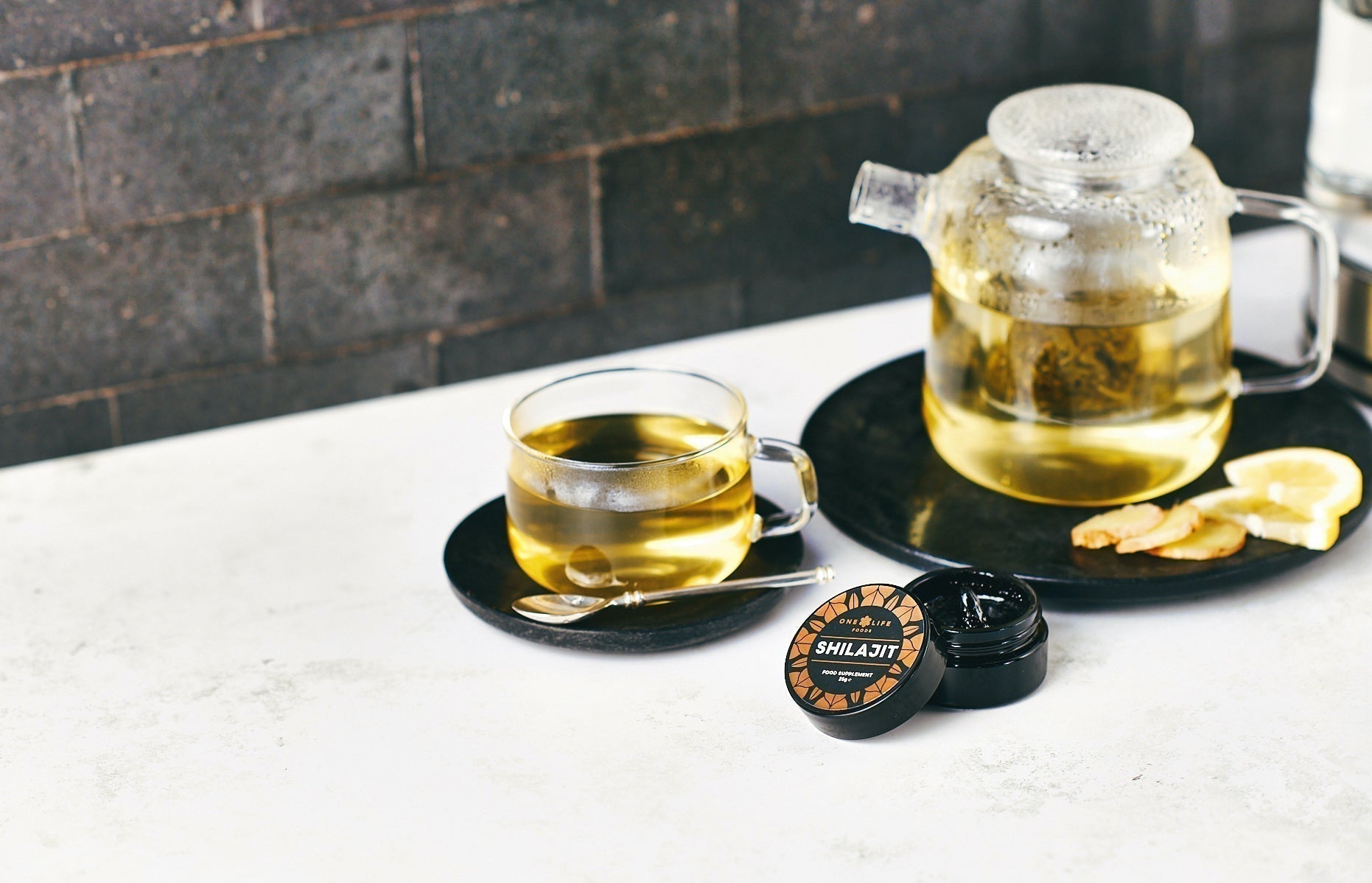
- dissolved in warm water
- or added to tea or coffee
Avoid boiling water, as excessive heat may affect some of the more sensitive compounds.
It should dissolve gradually, often leaving a small amount of sediment. This is normal.
Powder and capsules
Powdered Shilajit is usually:
- taken in capsules
- or mixed into drinks
The key variable here is what the powder is derived from.
If you are unsure, it is worth checking:
- whether it comes from purified resin
- or from a more general humic source
For a full breakdown, see:
Shilajit Forms: Resin vs Liquid vs Powder
Liquid
Liquid formats are:
- quick to use
- easy to measure
The main consideration is concentration.
Without clear information, it can be difficult to compare liquid products to resin in terms of actual intake.
When to take Shilajit
There is no strict timing requirement.
Most people take it:
- in the morning
- or earlier in the day
This is mainly practical.
Some people prefer not to take it late in the evening, simply because it is often included as part of a more active routine.
Consistency matters more than timing.
How long to take it for
Shilajit is generally used over longer periods rather than short bursts.
That said, one question comes up frequently:
Should you cycle it?
A note on cycling
You will often see recommendations to cycle Shilajit.
A common approach is:
- use for 6 to 8 weeks
- then take a short break
There is no strong evidence that cycling is required.
Shilajit does not act like a stimulant, and there is no clear mechanism that would demand cycling in the same way.
So why do people do it?
In practice, cycling is often used as a way to:
- maintain awareness of how something is affecting you
- avoid relying too heavily on any one supplement
- periodically reset your baseline
Some people find that taking a short break makes it easier to notice any changes when they start again.
That is a subjective effect rather than a clearly defined physiological requirement.
A more grounded approach
If you choose to cycle, it is best treated as:
- a personal preference
- not a strict rule
- and not a requirement for effectiveness
If you prefer to use Shilajit continuously, that is also a reasonable approach within typical intake ranges.
Common mistakes
A few things tend to cause confusion:
Taking too much
Higher doses do not necessarily improve results.
Expecting immediate effects
Shilajit works as part of a broader system, not as an acute stimulant.
Overcomplicating timing
There is no need for precise timing strategies.
Ignoring product quality
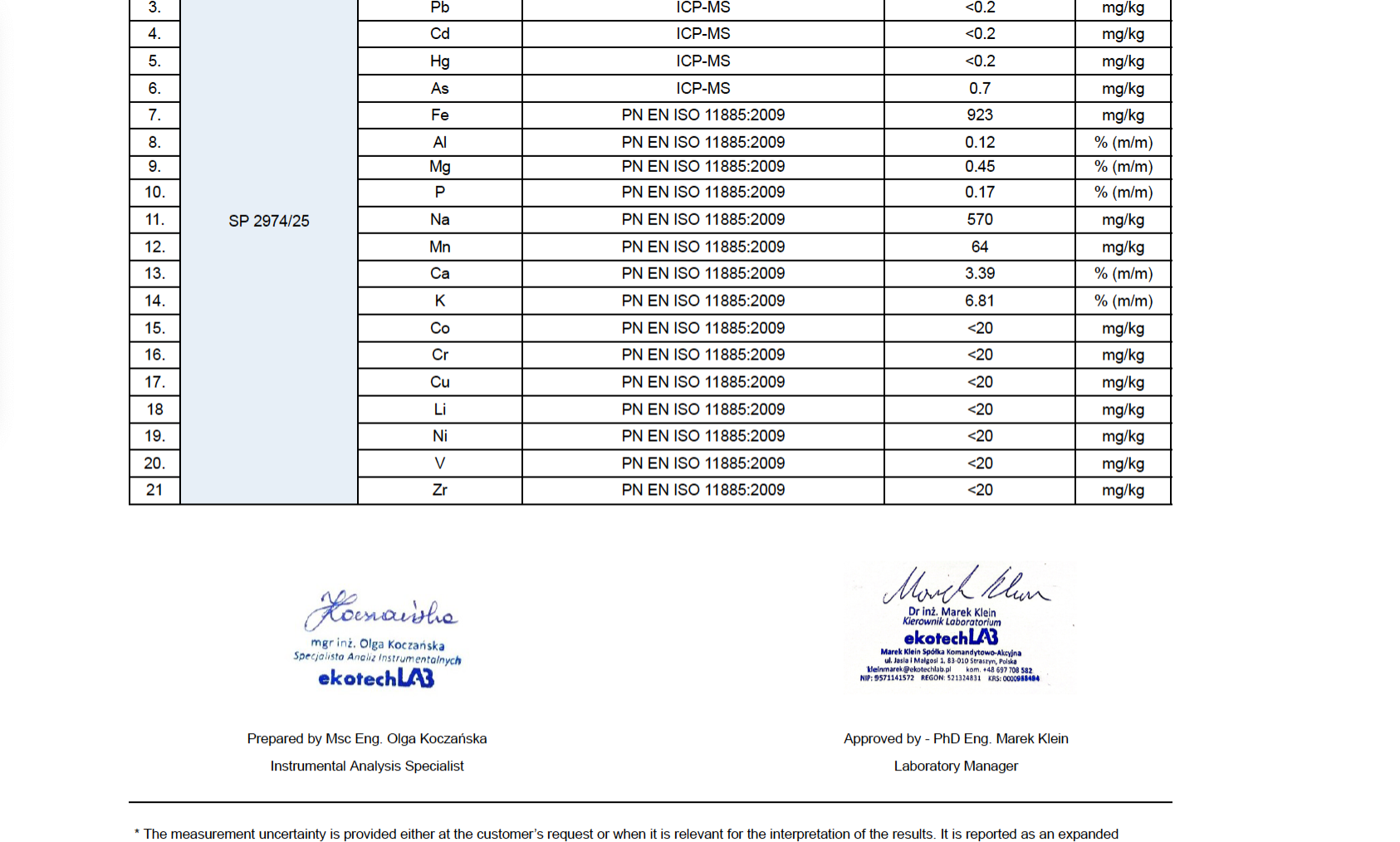
Form, sourcing, and testing matter more than protocol.
For more on this, see:
What to Look for When Buying Shilajit
What actually matters
If you strip everything back, a few things are consistently more important than dosing strategies:
- using a well-sourced product
- understanding the form you are taking
- staying within a sensible daily range
- using it consistently
Everything else is secondary.
The bottom line
Shilajit does not require complicated instructions.
A small daily amount, taken consistently, is the most common and practical approach.
Cycling is optional. Timing is flexible.
The quality of what you are taking matters more than the precision of how you take it.
Share:
Shilajit Forms: Resin vs Liquid vs Powder (What Actually Matters)
Shilajit Myths: What’s True, What Isn’t, and What The Evidence Shows