


Learn
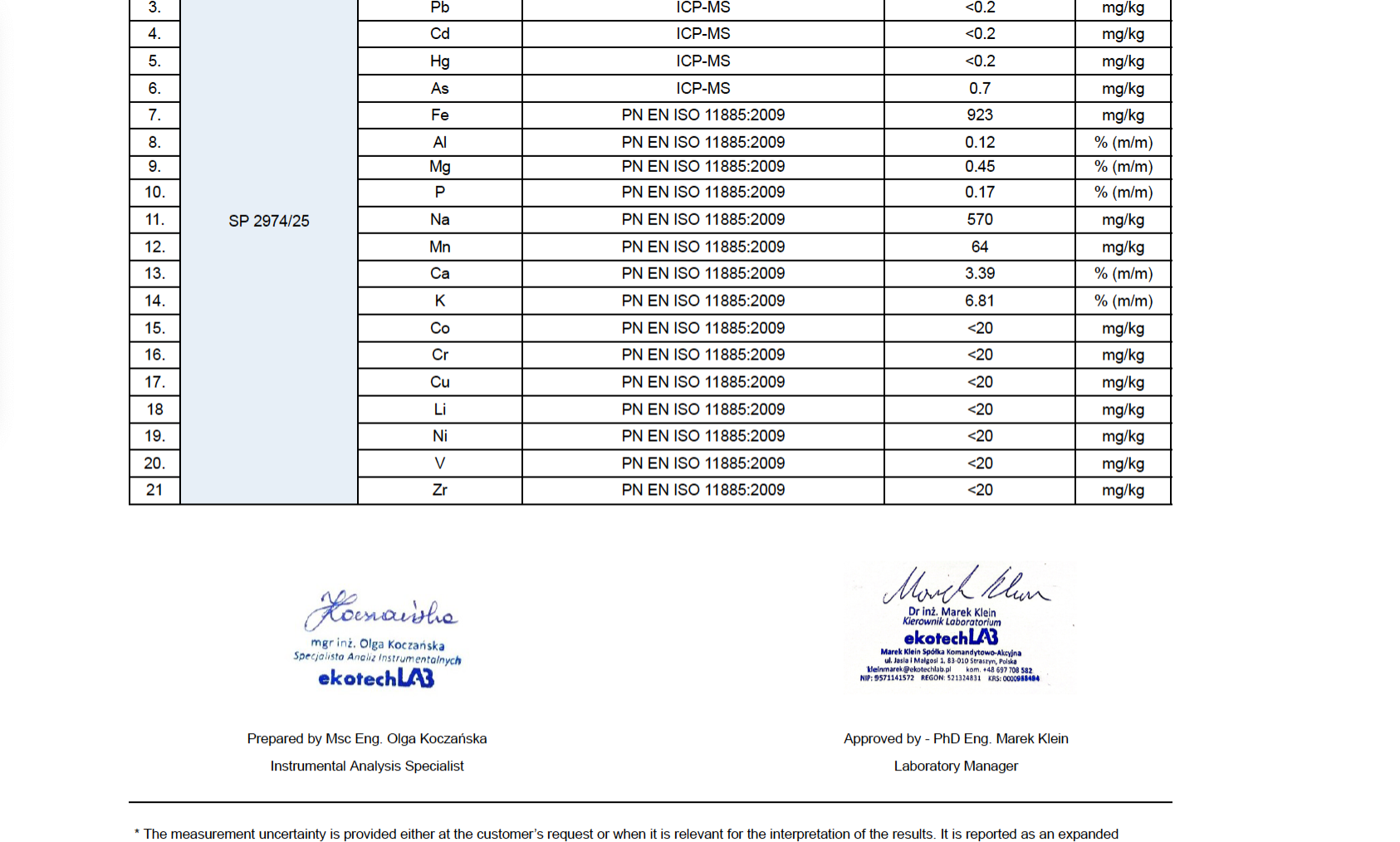
How to Read a Shilajit Lab Report: Fulvic Acid, Heavy Metals, ISO 19822 & What Brands Don't Tell You
Most Shilajit lab reports reveal far less than consumers realise. Learn how to interpret fulvic acid levels, heavy metal testing, ISO 19822 standards, and the key details that separate meaningful quality data from marketing theatre.
Informal Tests vs Lab Reports: Why Most Shilajit “Authenticity Checks” Don’t Mean Much
Flame tests, dissolve tests, UV torches and quick “authenticity checks” are everywhere — but most don’t tell you what you think they do. This guide breaks down the science behind common Shilajit tests, how they can be faked, and why real quality comes down to proper analysis, not quick reactions.
How Shilajit Testing Works (And What Most Brands Don’t Show)
Most Shilajit products highlight a few headline numbers. This guide explains how testing actually works, what should be measured, and what is often left out.
Read moreabout How Shilajit Testing Works (And What Most Brands Don’t Show)
PAHs, Solvents, and Microbial Testing in Shilajit: What Actually Matters
Most Shilajit products focus on what they contain. This guide explains what should not be there, including PAHs, solvents, and microbial contamination, and why proper testing matters.
Read moreabout PAHs, Solvents, and Microbial Testing in Shilajit: What Actually Matters

Fulvic Acid in Shilajit: Which Test Can You Trust?
Not all fulvic acid test results mean the same thing. Discover how different lab methods shape the numbers on Shilajit labels, and why ISO testing is the gold standard.
Read moreabout Fulvic Acid in Shilajit: Which Test Can You Trust?

The Missing Half: Why Humic Acid Matters — The Overlooked Key to Full-Spectrum Shilajit
Most Shilajit supplements focus on fulvic acid — but humic acid is the missing half. Discover why full-spectrum Shilajit needs both to truly work.