


If you've spent any time comparing Shilajit products online, you've probably noticed something strange.
One brand is selling Shilajit for £15.
Another wants £40.
Someone else is charging £70, £80 or even more.
They all claim to be authentic.
They all claim to be pure.
They all claim to be tested.
So what exactly is going on?
Is expensive Shilajit genuinely better?
Is cheap Shilajit fake?
And how much should you actually be paying for a quality Shilajit product?
The answer, like most things in life, is a little more complicated than the marketing would have you believe.
View our range of authentic Shilajit resin.
Quick Answer: How Much Should Shilajit Cost?
For laboratory-tested Shilajit resin sold in the UK, a rough guide would be:
|
Price Per Gram |
General Observation |
|
Under £0.50/g |
Worth investigating carefully |
|
£0.50 - £1.00/g |
Possible, but quality and testing should be scrutinised |
|
£1.00 - £2.50/g |
Common range for premium tested resin |
|
£2.50+/g |
Premium pricing that should be supported by exceptional quality, testing or sourcing |
This is not a rule.
There are exceptions.
Some expensive products are excellent.
Some expensive products are simply expensive.
Likewise, some affordable products represent genuine value.
The key is understanding what contributes to the final price.
Why Does Shilajit Cost So Much?
Many people assume Shilajit is simply dug out of a mountain and put into a jar.
The reality is far more complicated.
Like coffee, olive oil, honey or saffron, Shilajit is a commodity with an origin story, a supply chain, processing requirements, quality control procedures and packaging costs.
Every stage adds cost.
Some add genuine value.
Others simply add margin.
Understanding the difference is important.
Geological Location Matters
Not all Shilajit originates from the same place.
You'll commonly encounter:
-
Siberian Altai Shilajit
-
Mongolian Altai Shilajit
-
Hunza Shilajit
-
Kashmiri Shilajit
-
Himalayan Shilajit
- Somalian Shilajit
Each source region has its own geology, environmental conditions and mineral composition.
Certain collection sites are easier to access than others.
Some require long journeys through remote mountain regions.
Others are collected in areas where infrastructure is limited and weather conditions can restrict access for large parts of the year.
The more difficult a region is to access, the more expensive collection generally becomes.
Collection Is Neither Easy Nor Cheap
Marketing often portrays Shilajit collection as a romantic mountain expedition.
The reality is usually less glamorous.
Collection teams may travel considerable distances through difficult terrain to access known deposits.
Harvesting is often seasonal.
Yields can vary.
Some deposits are productive.
Others are not.
And unlike a factory, you cannot simply increase production whenever demand increases.
Nature sets the pace.
This scarcity is one of the reasons quality Shilajit commands a higher price than many consumers expect.
Raw Shilajit Is Not Finished Shilajit
A common misconception is that raw Shilajit is ready to consume.
It isn't.
Raw material often contains:
-
Plant matter
-
Sand
-
Sediment
-
Insoluble particles
-
Various environmental contaminants
Before becoming a finished product, Shilajit typically undergoes purification and filtration processes.
These procedures require:
-
Equipment
-
Labour
-
Quality control
-
Time
The better the process, the higher the associated costs.
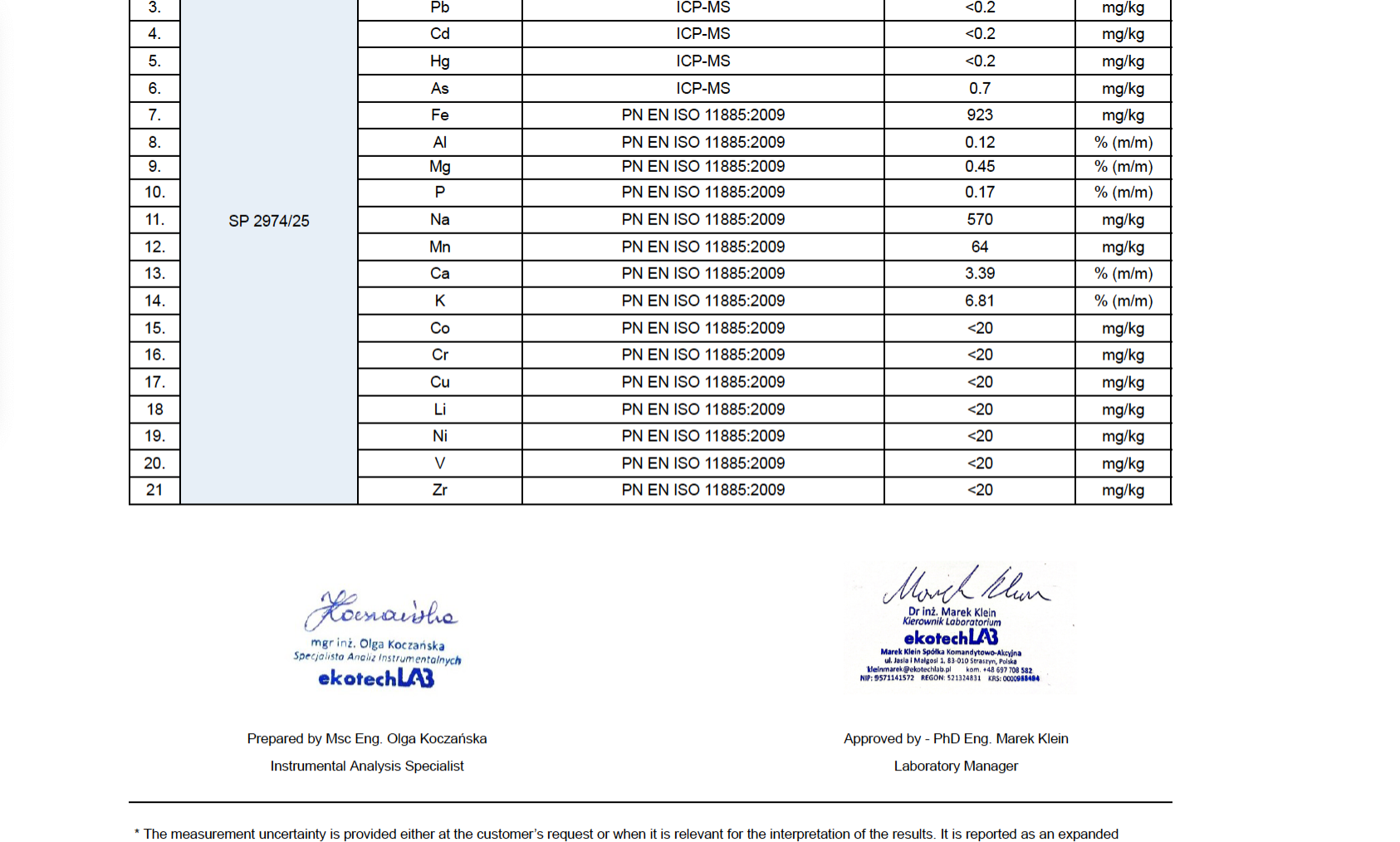
Laboratory Testing Is Expensive
This is one of the biggest differences between products.
Laboratory testing costs money.
Good testing costs more money.
Comprehensive testing may include:
-
Heavy metals
-
Microbiology
-
Fulvic acid analysis
-
Humic acid analysis
-
Moisture content
- PAHs
- Solvent residue
Independent laboratories do not work for free.
Nor should they.
The irony is that some of the cheapest products on the market are often the least tested.
And some of the most thoroughly tested products are criticised for being expensive.
Consumers understandably focus on the price they can see.
The testing costs are often invisible.
Why ISO 19822 Matters
We've discussed this in greater detail in our article on how to read a Shilajit lab report.
The short version is that not all fulvic acid testing methods are equal.
Different methodologies can produce very different numbers.
This is one reason why you'll occasionally see products claiming extraordinarily high fulvic acid percentages.
Without understanding the testing method used, those numbers may not mean what consumers assume they mean.
Standardised methods such as ISO 19822 provide a more consistent framework for analysing humic substances and help create more meaningful comparisons between products.
How Much Does Packaging Affect Price?
More than many people realise.
Let's take an example.
A basic plastic container is relatively inexpensive.
A premium Miron violet glass jar costs considerably more.
Why use it?
Because packaging is not simply about appearance.
It also contributes to:
-
Product protection
-
UV shielding
-
Storage stability
-
Consumer experience
Then there are:
-
Labels
- Boxes
-
Shipping materials
A high-quality jar, premium label and presentation box can easily add 4 or 5 pounds to the final cost of a product before it even reaches the customer.
The Hidden Costs Consumers Never See
Beyond sourcing and testing, there are numerous operational costs.
These include:
-
Warehousing
-
Fulfilment
-
Payment processing
-
Regulatory compliance
-
Insurance
-
Website costs
-
Customer service
None of these things make a product more exciting.
All of them contribute to the final retail price.
25g vs 30g vs 50g: Which Offers Better Value?
This is one of the most overlooked aspects of comparing Shilajit.
Consumers often compare jar price.
What they should compare is price per gram.
Let's imagine three products:
|
Product |
Price |
Weight |
Price Per Gram |
|
Product A |
£35 |
25g |
£1.40/g |
|
Product B |
£35 |
30g |
£1.17/g |
|
Product C |
£35 |
50g |
£0.70/g |
At first glance, all three appear equally priced.
In reality, they represent very different value propositions.
Larger jars often offer a lower cost per gram because packaging costs are spread across more product.
That doesn't automatically make them better.
But it does make them worth considering.
At One Life Foods, we currently use 25g Miron glass jars because we believe they offer a sensible balance between freshness, practicality and value.
Why Is Some Shilajit So Cheap?
This is where things become interesting.
Not every low-priced product is poor quality.
However, extremely low prices should encourage consumers to ask questions.
Questions such as:
-
Has the product been independently tested?
-
Is batch-specific testing available?
-
What analytical methods were used?
-
Is the product genuinely resin?
-
Is the moisture content unusually high?
-
Are the claims realistic?
If the answers are unclear, caution is sensible.
Diluted Shilajit and Other Considerations
Shilajit is typically sold as:
-
Resin
-
Powder
-
Capsules
These formats are not directly comparable.
A resin product is not the same as a capsule product.
A concentrated resin is not necessarily equivalent to a diluted preparation.
Likewise, water content can influence weight.
Two jars may appear identical while containing very different amounts of actual dry matter.
This is one reason why headline numbers rarely tell the full story.
Does Expensive Mean Better?
No, not necessarily.
And it is important to say that clearly.
Higher prices can reflect:
-
Better testing
-
Better packaging
-
More difficult sourcing
-
Smaller production volumes (artisan small batch shilajit)
They can also reflect:
-
Larger marketing budgets
-
More aggressive advertising
-
Higher margins
Price alone is not proof of quality.
Nor is a low price proof of poor quality.
The best approach is to evaluate evidence, testing, transparency and value together.
Questions Worth Asking Before You Buy
Before purchasing any Shilajit product, consider asking:
-
Where was it sourced?
-
How was it purified?
-
Has it been tested?
-
Is batch-specific testing available?
-
Which analytical methods were used?
-
What is the price per gram?
-
Does the company explain its quality standards clearly?
A trustworthy brand should be comfortable answering those questions.
Further Reading
If you'd like to explore the subject further, these articles may help:
-
How to Read a Shilajit Lab Report: COAs, ISO 19822 & Testing
-
Heavy Metals in Shilajit: Safety, Testing & What Matters
-
How Much Fulvic Acid Should Shilajit Contain?
-
What Are Dibenzo-Alpha-Pyrones (DBPs) in Shilajit?
-
Does Altitude Matter for Shilajit Quality?
The Bottom Line
There is no perfect Shilajit price.
There is only value.
A quality Shilajit product is the result of sourcing, collection, purification, testing, packaging and logistics.
Some brands cut corners.
Some brands invest heavily in quality.
And some simply spend more on marketing than they do on the product itself.
The goal isn't to buy the cheapest Shilajit.
Nor is it to buy the most expensive.
The goal is to understand what you're paying for.
Once you do that, comparing products becomes much easier.
Share:
How to Read a Shilajit Lab Report: Fulvic Acid, Heavy Metals, ISO 19822 & What Brands Don't Tell You