


Introduction
Shilajit has a strange reputation.
On one side, it is presented as a powerful natural substance with wide-ranging effects. On the other, it is dismissed as little more than tar scraped from rock.
As usual, the reality sits somewhere in the middle.
This has led to a familiar set of questions:
- Is Shilajit real
- Does it actually work
- How can you tell if it is good quality
Most of the confusion comes from claims that sound plausible, but don’t hold up under closer inspection.
Many of these claims rely on simplified ideas about how Shilajit works or what defines its quality.
This guide breaks down the most common myths and explains what actually matters.
Common Shilajit Myths at a Glance
- Higher altitude means better quality
- Himalayan Shilajit is always superior
- You can test authenticity with flame or heat
- It should dissolve completely in water
- Higher fulvic acid always means better quality
- Liquid Shilajit is stronger than resin
- You can judge authenticity by appearance
Each of these sounds reasonable.
None of them are reliable on their own.
What Shilajit actually is (briefly)
Shilajit is a naturally occurring substance formed over time from decomposed plant material and minerals.
It contains a complex mixture of:
- Fulvic compounds
- Humic substances
- Trace elements
That complexity is exactly why simple quality signals tend to fall short.
Focusing on isolated components without context often leads to misleading conclusions.
If you want a full breakdown, see:
What Is Shilajit?
Myth 1: The higher the altitude, the better the Shilajit
This is one of the most persistent claims.
Shilajit is often marketed with precise altitude figures. The implication is simple. Higher means better.
It sounds logical. It doesn’t hold up.
While altitude influences the environment, it does not determine quality in isolation.
More importantly, most altitude claims are not verifiable. There is no standardised tracking, and sourcing details are rarely disclosed in a meaningful way.
Altitude has become a convenient shortcut. It sounds technical, but tells you very little about composition or quality.
Without proper testing, origin claims alone don’t provide meaningful insight into what’s actually present.
For a closer look at how this is used, see:
Altitude Attitude: Why Every Shilajit Brand Thinks It Climbed Everest
Myth 2: “Himalayan” Shilajit is always the best
Himalayan Shilajit has been positioned as the benchmark for years.
The reality is more complicated.
Shilajit forms in multiple regions, including:
- The Himalayas
- The Altai Mountains
- The Karakoram range
- Parts of Central Asia
At the same time, sourcing from certain Himalayan regions is restricted, which affects availability.
This creates a gap between what is claimed and what is realistically supplied.
It does not mean Himalayan Shilajit is not valuable.
It means origin alone is not a reliable indicator of quality.
This is particularly important when comparing different regional sources.
For a deeper breakdown, see:
Is Himalayan Shilajit Really the Best?
Myth 3: You can prove quality with a “flame test”
This is a common one.
Heat Shilajit. If it bubbles or reacts in a certain way, it is considered “real”.
It’s a neat idea. It’s also unreliable.
Shilajit is a complex mixture. Its behaviour under heat depends on:
- composition
- moisture content
- purification
Two genuine samples can behave differently. A manipulated sample can still appear convincing.
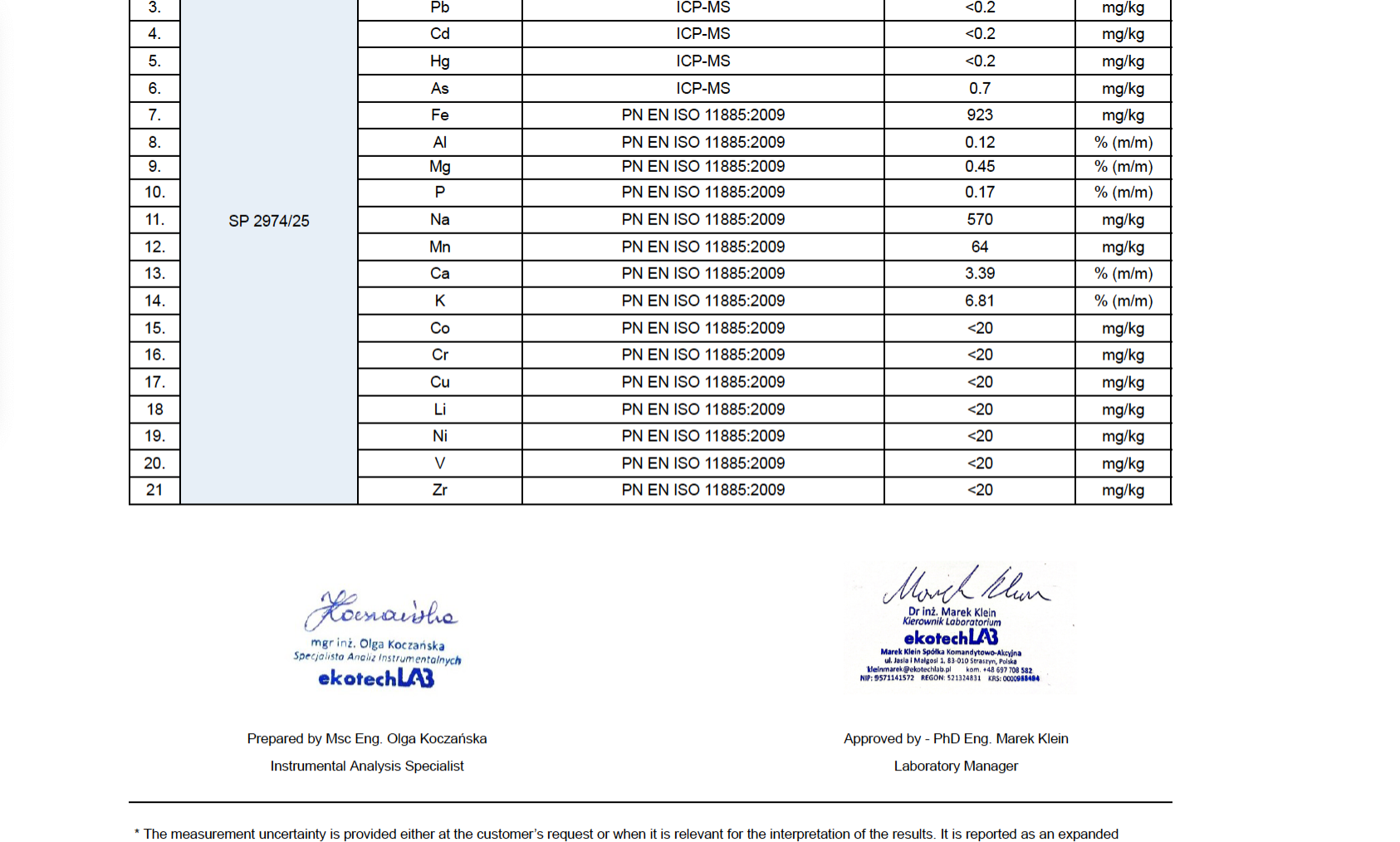
Simple tests feel reassuring. They don’t tell you much. In practice, informal checks like flame or heat tests break down quickly when compared to proper lab analysis, which looks at composition and contaminants in a way these methods simply can’t match.
This includes screening for contaminants as well as verifying overall composition, both of which are critical when assessing quality.
For a full explanation, see:
The Shilajit Flame Test: Because Nothing Says Authentic Like Setting Fire to Your Supplements
Myth 4: It should dissolve completely in water
This is often presented as a sign of purity.
The assumption is that clean Shilajit dissolves fully, leaving no residue.
In reality, Shilajit contains both:
- Fulvic compounds, which are water-soluble
- Humic substances, which are not always fully soluble
A small amount of sediment is normal.
Expecting it to behave like a filtered liquid misses the point of what it is.
For more on this, see:
Does Shilajit Completely Dissolve?
Myth 5: Higher fulvic acid means better Shilajit
Fulvic acid is often used as the headline number.
It matters, but it is only one part of a much larger picture.
Shilajit is not just fulvic acid. It is a broader matrix of compounds.
Looking at fulvic content alone ignores how these compounds interact within the full structure.
Two samples with similar fulvic percentages can differ significantly in:
- composition
- balance
- consistency
A higher number looks good on paper. It does not automatically mean better quality.
For a deeper look at how this is used, see:
The Shilajit Deception: Why High Fulvic Acid Is a Red Flag (Sometimes)
Myth 6: Liquid Shilajit is stronger than resin
This comes down to format, not substance.
Resin is the concentrated form.
Liquid versions are typically:
- diluted
- processed for convenience
That does not make them inferior, but it does change concentration and dosing.
Strength is determined by composition, not presentation.
For a full comparison, see:
Shilajit Forms: Resin vs Liquid vs Powder
Myth 7: You should be able to “see” if it’s real
There is a strong instinct to rely on visual cues.
Colour, texture, how it stretches or dissolves.
These can provide hints, but they are not definitive.
Shilajit varies naturally. There is no single appearance that confirms authenticity.
At the same time, visual imitation is not difficult.
If you want certainty, appearance is not enough.
Testing matters more.
Especially when it comes to identifying contaminants that cannot be seen.
Other common myths worth understanding
Many of these claims persist because they are easy to communicate, even if they don’t reflect how Shilajit actually behaves.
Some claims are repeated so often they start to sound factual:
- Shilajit contains exactly 84 or 85 minerals
- “Gold grade” or similar unofficial classifications
- One origin is always superior
- Traditional use alone proves effectiveness
Each of these simplifies something that is not simple.
They are better explored individually:
What actually matters
If most common signals are unreliable, what should you focus on instead?
In practice, a small number of factors are far more useful:
- Clear sourcing
- Proper purification
- Broad analytical testing
- Low levels of contaminants
- Consistency between batches
These are not particularly marketable.
Which is why they are often overshadowed by simpler but less meaningful metrics.
They are also what actually matter.
Price is another area where assumptions often replace evidence. Higher cost doesn't automatically mean higher quality, just as lower cost doesn't automatically mean poor quality.
For a deeper look at testing, see:
How Shilajit Testing Actually Works (And What Most Brands Don’t Show)
The bottom line
Shilajit sits in an unusual position.
It has a long history of use, a complex composition, and growing modern interest.
It also has a significant amount of noise around it.
The goal is not to accept everything or dismiss everything.
It is to understand what matters, ignore what does not, and focus on composition, testing, and consistency.
Most myths exist because something complex has been reduced to something simple.
That is usually where things start to go wrong.
Where to go next
If you want to explore this properly:
- Understanding what shilajit actually is
- Understanding shilajit testing methods
- Shilajit Buying Guide
Each looks at a different part of the same system. You can explore our Shilajit range here
Share:
How to Take Shilajit Properly (Dosage, Timing, and Best Practices)
PAHs, Solvents, and Microbial Testing in Shilajit: What Actually Matters