


The idea of “grades”
You will often see Shilajit described using terms such as:
Gold grade
Premium grade
Ultra grade
The implication is straightforward.
There is a structured hierarchy, and the product being sold sits somewhere near the top of it.
It sounds organised.
It isn’t.
There is no official grading system
Unlike some raw materials, Shilajit does not have a universally recognised grading system.
There is no:
- regulatory classification
- industry-wide standard
- agreed definition of “gold grade”
These terms are created at supplier or brand level.
They are not independently verified, and they are not based on a defined set of criteria.
What “gold grade” usually refers to
In practice, it tends to mean one of three things:
- a supplier’s preferred batch
- resin rather than powder or liquid
- material that appears cleaner, smoother, or easier to work with
Sometimes it is used to suggest higher fulvic acid content.
That claim is often based on testing methods that are not standardised and can produce inflated values.
So even where a number is used to support the label, it does not necessarily reflect a more concentrated or higher-quality material.
None of these characteristics are inherently misleading on their own.
The issue is presenting them as part of a formal, standardised system.
Why this matters
When something sounds official, it is often taken at face value.
“Gold grade” suggests:
- a defined benchmark
- a recognised level of quality
- a consistent meaning across products
In reality, none of these are guaranteed.
Two products using the same label can differ significantly in:
- composition
- processing
- testing standards
The label does not ensure consistency.
It does not define quality.
It does not confirm anything has been measured in a comparable way.
What actually determines quality
Rather than relying on informal grading terms, it is more useful to look at:
- sourcing practices
- purification methods
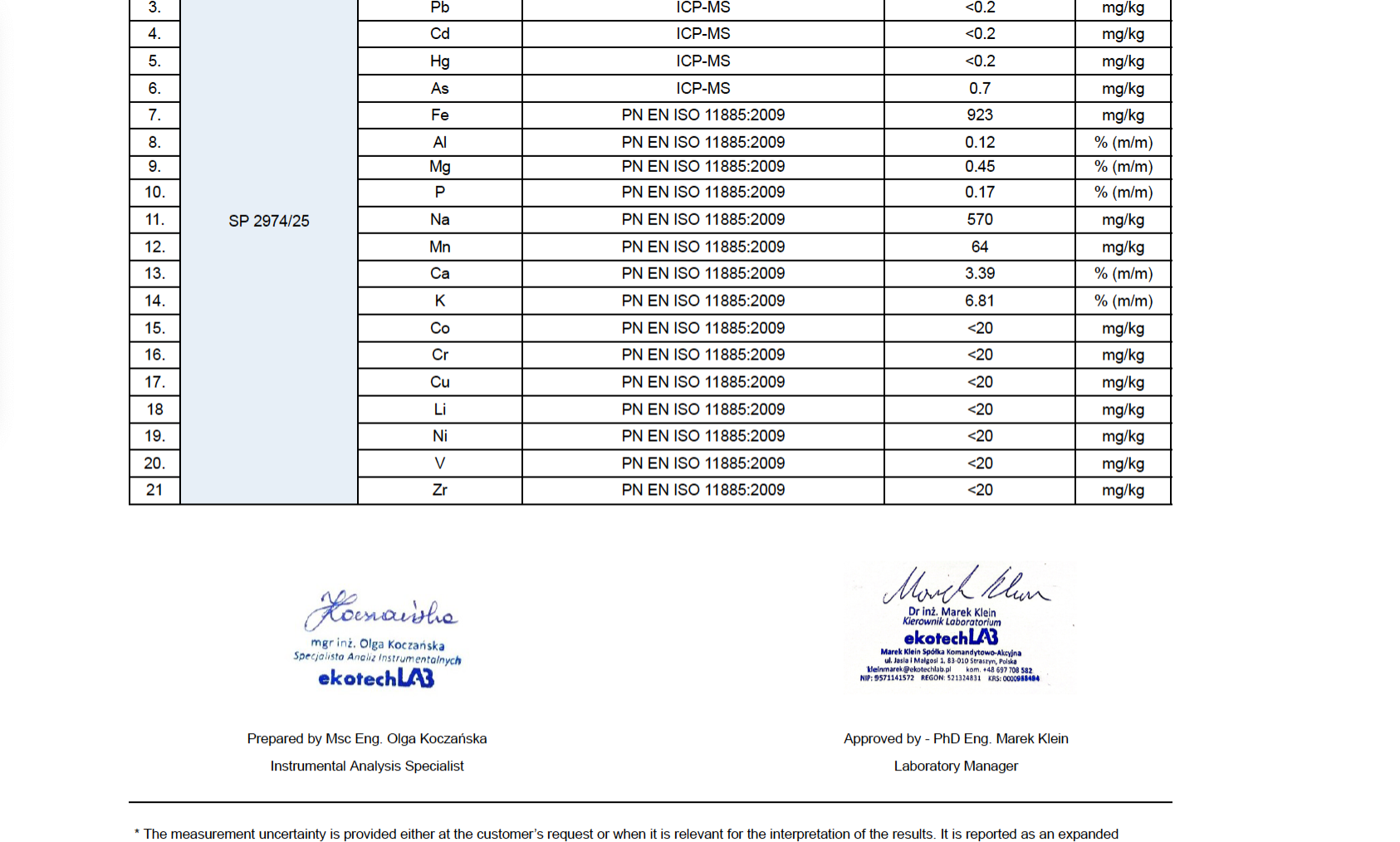
- independent lab testing
- batch consistency
- overall composition
These are measurable.
They are also more difficult to summarise in a single word.
When these factors are in place, the difference in quality becomes much easier to recognise in practice.
That is usually why they are replaced by simpler labels.
Marketing vs meaningful information
“Gold grade” works because it is easy to understand.
It creates a sense of:
- hierarchy
- exclusivity
- higher value
What it does not provide is measurable or verifiable information.
It does not tell you what has been tested.
It does not tell you what has been controlled.
It does not tell you what has been excluded.
That does not automatically make a product good or bad.
It means the term itself does not carry technical weight.
Price often creates a similar impression. A more expensive product may be better, but without understanding what sits behind the cost, the number alone tells you very little.
A more grounded approach
If a product uses terms like “gold grade”, the more useful question is:
What does that actually refer to in this case?
Is it:
- a claimed fulvic content, and how was it measured?
- a specific sourcing region?
- a particular processing method?
Without that context, the label is just a description, not a standard.
The bottom line
“Gold grade” is not a regulated or standardised classification.
It is a supplier-defined label.
It may reflect how a batch is perceived or positioned.
It does not guarantee purity, potency, or consistency.
What matters is not the label.
It is what has been measured, how it has been tested, and whether the results are transparent.
Where this fits
When assessing Shilajit, it is more useful to look past grading language and focus on:
- transparency
- testing
- composition
- consistency
These are less visible.
They are also far more reliable.
See our full Shilajit Collection here

Share:
What to Look for When Buying Shilajit (A Practical Guide)
Does Shilajit Contain 84 Minerals? A Closer Look at the Claim