


The supplement industry has been around in some form since the 1930s. And over the decades, consumers have been bombarded with products, trends, miracle claims, and the occasional “magic in a bottle.” In more recent years, there’s been a welcome shift toward transparency and clean-label ethics. A wave of brands has emerged proudly championing “pure,” “clean,” and “filler-free” formulas—often as the backbone of their identity. Others have leaned into a patriotic angle, flying the “Made in the UK” flag with pride. And rightly so—supporting local industry is always a win.
But here’s the catch: while these claims sound great on packaging, the real meaning behind them isn’t always so straightforward. It's worth unpacking what’s actually meant by terms like “filler-free,” and digging a little deeper into what’s happening behind the scenes.
So… What Exactly Are Fillers?
In the supplement world, “fillers” are inactive ingredients—things like maltodextrin, cellulose, or magnesium stearate—used during manufacturing to bulk out small doses, improve stability, or help powders flow more easily. If you’ve got an ingredient that only requires a few milligrams, it can be tricky to encapsulate or tablet without something else in the mix. Fillers can help distribute actives evenly, make production smoother, and ensure the final product holds together properly.
And no, they’re not inherently evil. Most are safe, widely used, and recognized as GRAS (Generally Recognized as Safe). In fact, in many cases, they’re necessary to make a formula viable. That said, we agree—there are times when they’re overused, or used when they don’t need to be. So, balance and intention matter.
“Why Isn’t This Capsule Full?”
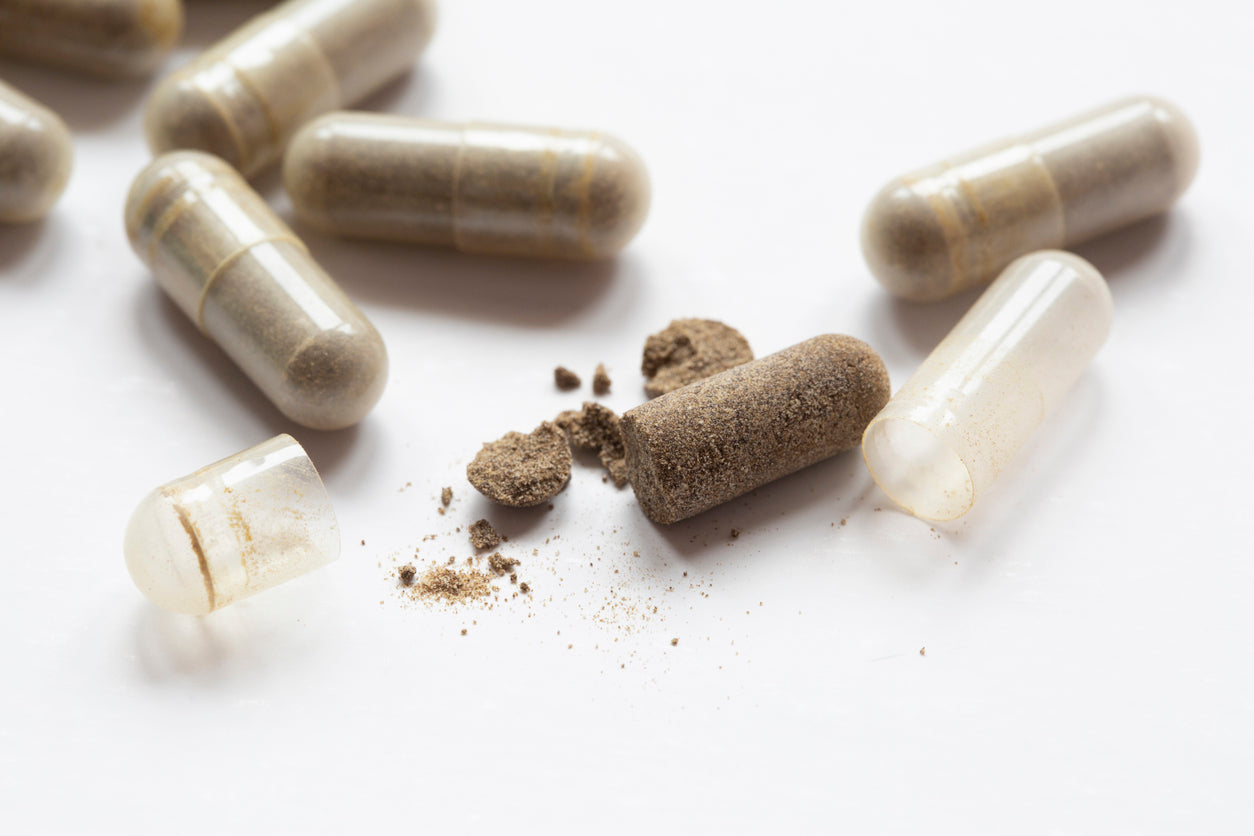
This is a question we’ve heard before—especially with products like our lion’s mane extract. Some customers understandably wonder why the capsule isn’t filled to the brim. The answer lies in the nature of the ingredient itself. Lion’s mane is a light, fluffy powder with low density, so even a full, effective dose won’t always look like much. Add in factors like settling during shipping or the use of standard capsule sizes for consistency, and you’ve got a capsule that can look suspiciously underfilled—despite being dosed exactly as it should be.
Also, if a brand isn’t using fillers or flow agents, you’re left with just the raw ingredient—which can look like less, but doesn’t mean you're getting less.
Fillers Aren’t the Villain
There’s a common perception that if a product contains fillers, it must be inferior or somehow “dirty.” But that’s not necessarily true. Fillers can actually improve a supplement’s performance—by helping with consistency, protecting sensitive compounds, or ensuring precise dosing. Some filler-free formulas are fantastic. Others? Not so much. It all depends on the formulation, the intention, and the execution.
The Bigger Question: What’s in the Starting Material?
Here’s where things get even more interesting. Let’s say a brand proudly proclaims that it “fills its own capsules” and uses “no added fillers.” Great. But what about the raw materials they’re putting into those capsules?
This is the part that often goes unnoticed. Even if a brand does its own encapsulating in-house, they’re still relying on suppliers for extracts, herbs, and other base ingredients. And unfortunately, that’s where “cutting” can occur—long before the brand gets its hands on the material.
Some suppliers dilute extracts with cheaper substances like maltodextrin to bulk them out. This makes the ingredient easier to work with, cheaper to produce, and more profitable overall. It can also help with flow or standardization, particularly when the active compound naturally occurs in tiny concentrations. But the downside? The final product is weaker than advertised. You might see “500 mg of lion’s mane” on the label, but if that extract is 50% maltodextrin, you're only getting 250 mg of the real thing.
And unless a brand is doing rigorous third-party testing on every batch of raw material, there’s no way for them—or you—to truly know what’s inside.
The Takeaway
Not all fillers are bad. Not all “filler-free” products are pure. And not all "Made in the UK" labels mean the entire product is British from start to finish. The supplement industry is nuanced—and while bold claims can sound impressive, real transparency comes from third-party testing, responsible sourcing, and brands willing to go beyond the buzzwords.
Continual batch testing of every single ingredient is ideal—but the reality is, for most brands outside of the top handful with massive infrastructure, it’s incredibly difficult to do at scale. That’s why trusted supplier relationships are absolutely key. Our ingredient selection is powered by long-standing partnerships with suppliers who’ve been in the game since the late 1970s—people who know purity, consistency, and clinical-grade quality like the back of their hand. It’s this trust, built over decades, that allows us to stand behind every capsule we produce without compromise. And thanks to our industry experience, we’re also able to confidently explore and vet new ingredient suppliers as innovation evolves—without ever cutting corners.


Share:
Why Lab Tests from Shilajit Suppliers Aren’t Always Reliable
Methylation: What’s the Deal with the Latest Supplement Buzzword?