


Learn

PAHs, Solvents, and Microbial Testing in Shilajit: What Actually Matters
Most Shilajit products focus on what they contain. This guide explains what should not be there, including PAHs, solvents, and microbial contamination, and why proper testing matters.
Read moreabout PAHs, Solvents, and Microbial Testing in Shilajit: What Actually Matters
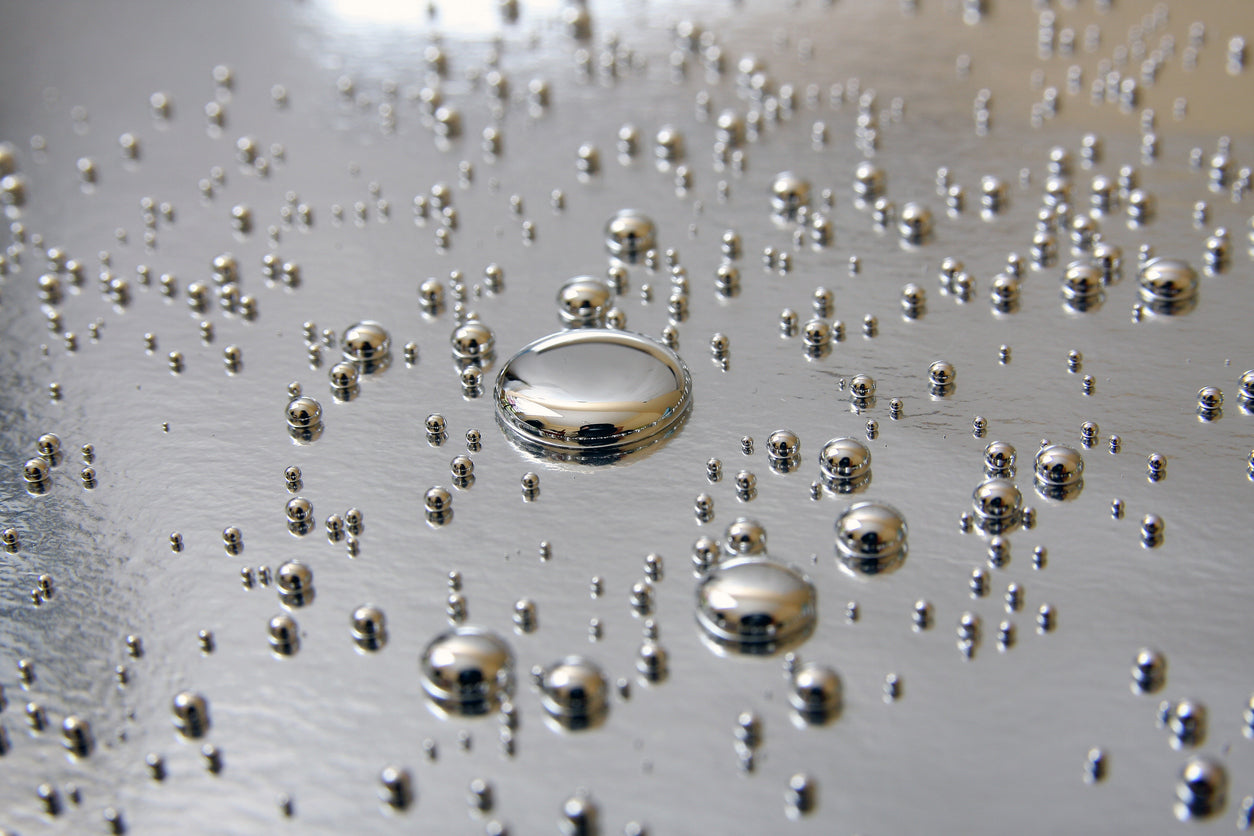
Heavy Metals in Shilajit: Context, Concern, and Clarity
Heavy Metals in Shilajit: What You Need to Know
Shilajit is rich in minerals—but does it contain harmful heavy metals like lead or arsenic? This in-depth article explores lab testing, toxicity thresholds, food comparisons, and purification practices to help you make an informed, safe choice.
Read moreabout Heavy Metals in Shilajit: Context, Concern, and Clarity

Is Your Shilajit Safe — or a Biohazard in a Jar?
Not all Shilajit is created equal — and some of it might be doing more harm than good. As this ancient resin gains popularity, a wave of runny, low-quality (and sometimes mouldy) products has flooded the market. In this post, we break down how to spot fake or diluted Shilajit, why moisture is a major red flag, and what real, high-quality resin should look, smell, and feel like. Don’t get duped — choose your goo wisely.
Read moreabout Is Your Shilajit Safe — or a Biohazard in a Jar?
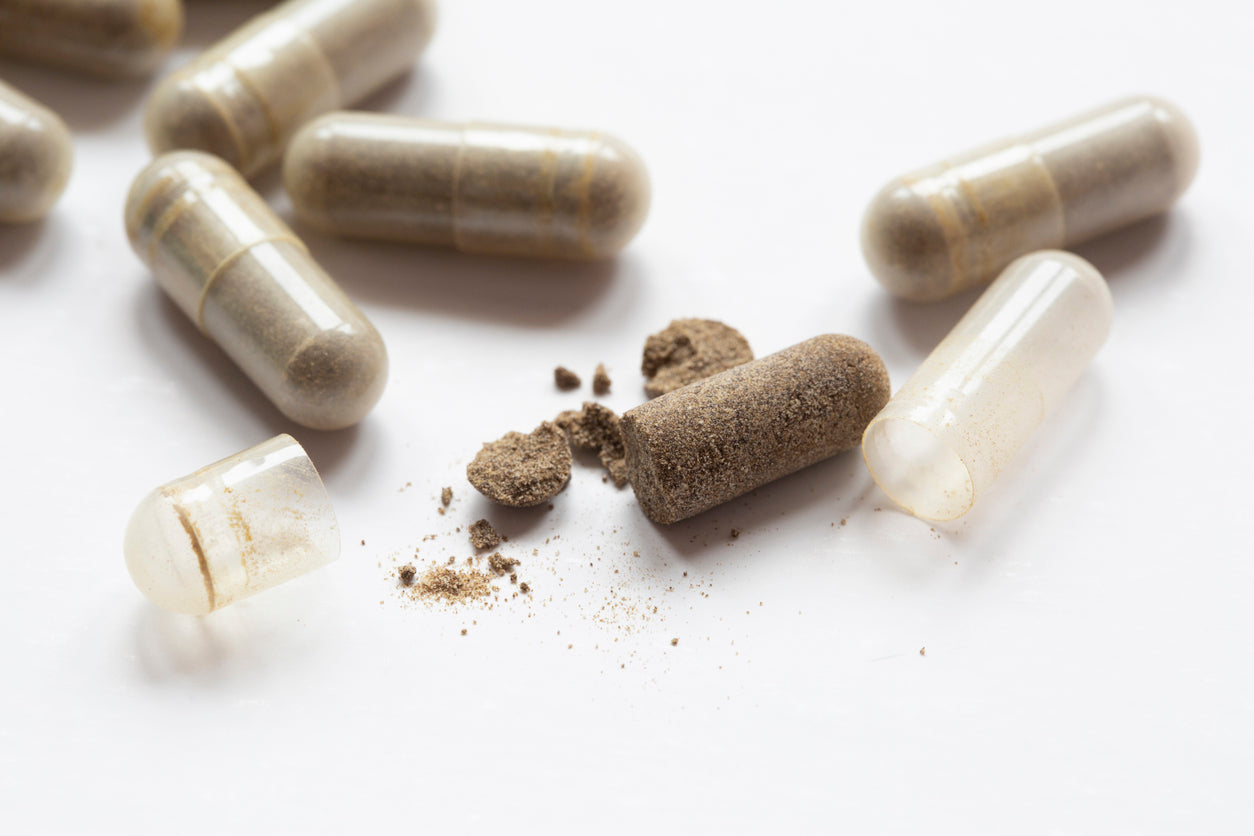
Fillers vs. Cutting Agents: What’s Really In Your Supplements?
Think your supplements are as clean as they claim? Think again.
In a wellness world buzzing with “filler-free” badges and “pure” promises, it’s tempting to take labels at face value. But here’s the truth: not all clean claims are created equal. Behind the scenes, sneaky shortcuts and misleading terminology can turn your daily supplement into something far less wholesome than it appears. In this blog, we’re cutting through the noise—explaining the real difference between fillers and cutting agents, why they’re used, when they matter, and how to spot the red flags. Because it’s not just about what’s added to your supplements—it’s also about what’s missing.
Read moreabout Fillers vs. Cutting Agents: What’s Really In Your Supplements?