


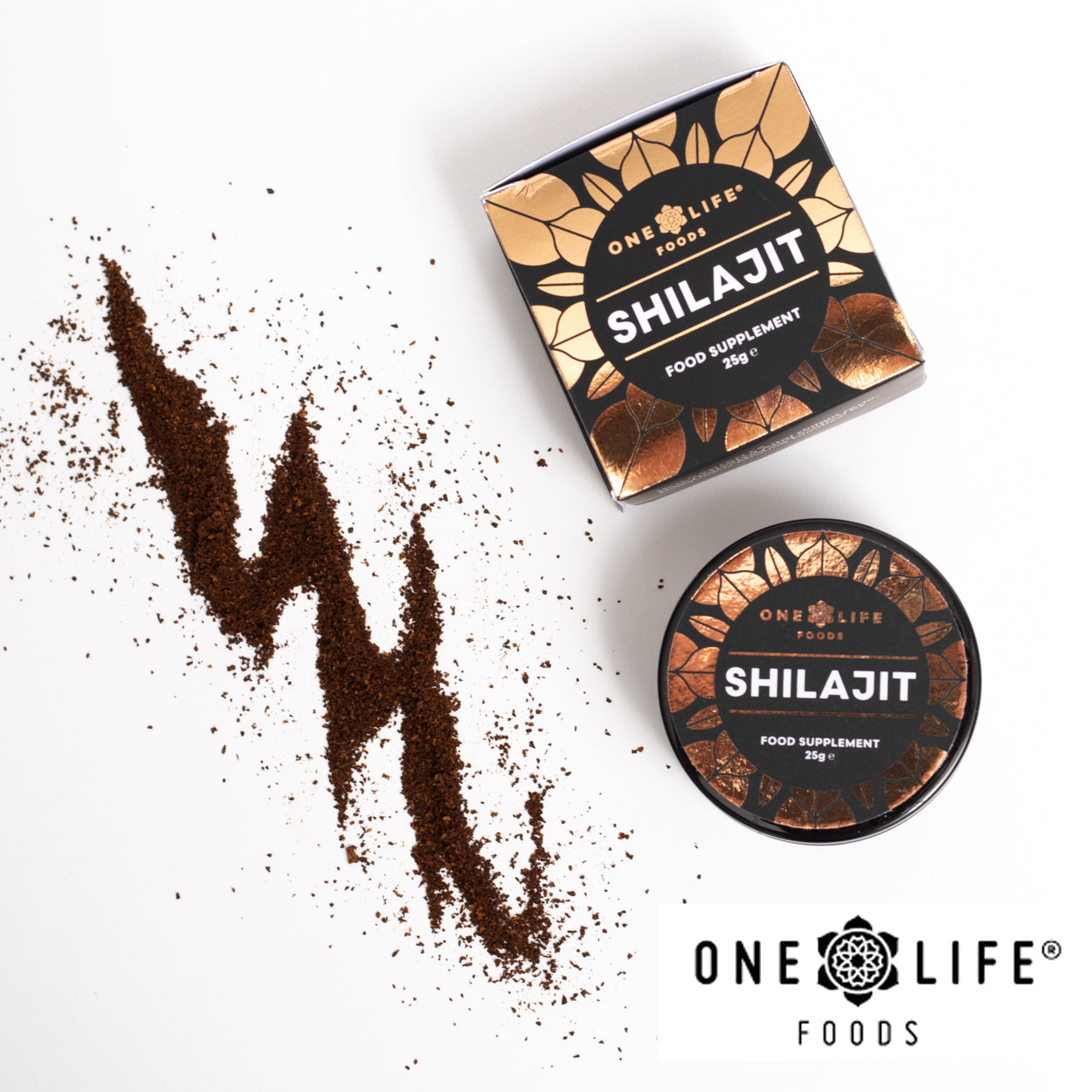
A simple starting point
Shilajit is a naturally occurring substance formed over time from the gradual decomposition of plant material and minerals.
It is typically found in mountainous regions, where it appears as a dense, resin-like material within rock layers.
It is not a single compound.
It is a complex mixture.
What Shilajit contains
Chemically, Shilajit is made up of:
- Fulvic compounds. Alongside these, a number of smaller bioactive compounds also play a role in how Shilajit interacts with biological systems.
- Humic substances
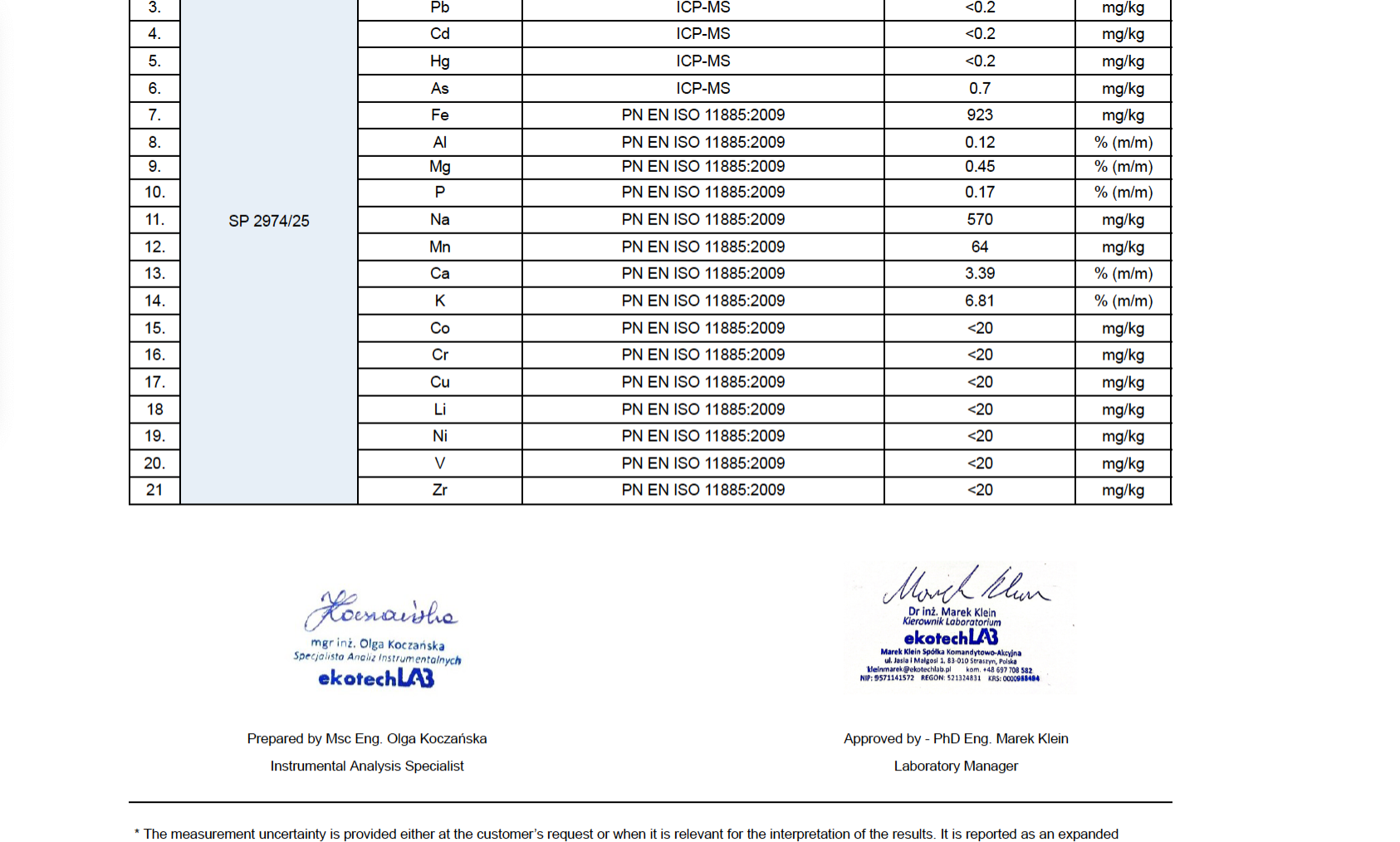
- A range of trace elements
These components form a variable matrix rather than a fixed composition.
This is particularly relevant when looking at how different components contribute to the overall structure.
This means:
- no two samples are identical
- composition depends on origin and processing
This variability is important when evaluating quality.
Where Shilajit comes from
Shilajit forms in high-altitude environments over long periods of time.
It is commonly associated with regions such as:
- The Himalayas
- The Altai Mountains
- The Karakoram range
- Parts of Central Asia
At One Life Foods, our Shilajit range includes material sourced from:
- The Altai region
- Kashmiri sources
- Hunza and Karakoram regions
Origin alone does not determine quality.
Sourcing, purification, and testing are more relevant factors.
For a deeper look, see:
Altitude Attitude: Why Every Shilajit Brand Thinks It Climbed Everest
Is Himalayan Shilajit Really the Best?
How Shilajit is typically used
Shilajit has a long history of traditional use.
In modern contexts, it is commonly included in:
- general wellness routines
- performance-focused supplementation
Research into its properties is ongoing.
Much of this research focuses on how its components interact at a physiological level.
It is better understood as a complex natural substance rather than a single-purpose supplement.
Forms of Shilajit
Shilajit is available in several forms:
Resin
- Thick and concentrated
- Closest to its natural state
Powder
- Processed and dried
- More convenient, less representative of original material
Liquid
- Diluted form
- Easier to use, variable concentration
The form does not determine quality on its own.
Processing and composition matter more.
For a full comparison, see:
Shilajit Forms: Resin vs Liquid vs Powder
A note on composition claims
Shilajit is often described using simplified claims such as:
- fixed mineral counts
- unusually high fulvic acid percentages
These are easy to communicate.
They are not always reliable indicators of quality.
A more useful approach is to look at:
- overall composition
- balance between components
- and how the material has been tested
For more on this:
Does Shilajit Contain 84 Minerals?
Why testing matters
Shilajit is a natural material. That means it can vary, and it needs to be properly analysed.
A meaningful testing approach includes:
- Elemental analysis
- Heavy metal screening
- Microbiological testing
- Environmental contaminant screening
This provides a clearer picture of:
- what is present
- what is not
- and how consistent the material is
For a full explanation, see:
How Shilajit Testing Actually Works
What Shilajit is not
To keep expectations grounded:
Shilajit is not:
- a quick solution
- a single-outcome supplement
- something that replaces diet or lifestyle
It is a complex natural substance that may be used as part of a broader routine.
The bottom line
Shilajit is often simplified into a few headline claims.
In reality, it is a variable, multi-component material.
Which is why both composition and practical use need to be considered together.
Understanding it properly means looking beyond:
- origin labels
- mineral counts
- marketing terms
And focusing instead on:
- composition
- testing
- consistency
Where to go next
If you want to explore this in more detail:

Share:
Liquid Vitamins vs Tablets: Are Liquid Supplements Better Absorbed?
What is Black Seed Oil?