


Why Sourcing Matters (More Than You Think)
When choosing a fish oil, it’s tempting to focus only on the back-of-label stats — EPA, DHA, total omega-3s.
But here’s the catch:
The where and how your oil is sourced can determine not only its quality, but its impact on the planet, marine ecosystems, and your body.
From overfishing and pollution to misleading marketing and fish-farming shortcuts, there’s a lot consumers aren’t told.
This article exposes the industry’s dirty little secrets — and shows you what ethical, high-quality sourcing really looks like.
Myth: “Nordic Fish Oil” Is The Best
If a fish oil says it’s “Nordic,” it must be from the icy, clean waters of Norway or Iceland, right?
Not always.
In reality, many "Nordic" or "Scandinavian" fish oil brands source their oil from Peru, using anchovies from massive South Pacific fisheries. Then the oil is shipped to Europe for refining and encapsulation.
To be clear — Peruvian anchovy oil isn’t inherently bad. Some of it is responsibly harvested and quite pure. But it’s misleading when brands lean heavily on Nordic branding while not disclosing the actual fishing origin.
Always check:
-
The country of catch.
-
The species used.
-
Whether the product is MSC certified.
-
If the oil is 3rd-party tested for purity and freshness.
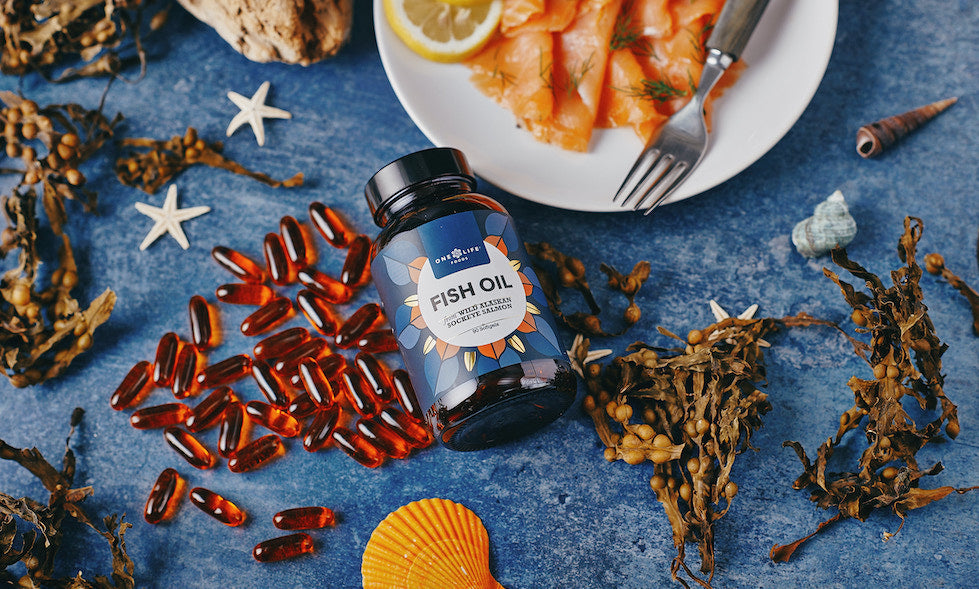
We use Wild Alaskan Sockeye Salmon, sourced from some of the cleanest, most tightly regulated waters in the world — off the coast of Alaska.
Once you understand the confusion around 'Nordic' branding, it’s essential to look at the actual fish behind the oil — and whether they’re farmed or wild.
Wild-Caught vs. Farmed Fish: The Nutritional Divide
Farmed Fish Oil
-
Often used in cheaper products labeled “salmon oil”.
-
Fish are fed a manufactured diet rich in soy and grains (high in omega-6s).
-
Lower in natural omega-3s and essential nutrients like vitamin D and astaxanthin.
-
May contain residues of antibiotics, pesticides, and colourants.
-
Can contain higher levels of dioxins and PCBs, depending on feed quality.
Wild-Caught Fish Oil
-
Eat a natural diet = richer in omega-3s, cleaner lipid profile.
-
Far less exposed to toxins or artificial additives.
-
Naturally contains vitamin D, vitamin A, and astaxanthin.
-
Environmentally friendlier — especially when certified sustainable.
Our Wild Alaskan Sockeye Salmon is 100% wild caught, never farmed, and is harvested as part of one of the best-managed fisheries in the world.
Unethical Practices in the Fish Oil Industry
1. Overfishing & Ecosystem Collapse
Some fisheries (especially in unregulated parts of the world) harvest fish faster than stocks can replenish — devastating marine ecosystems. Sardine and anchovy populations in the South Pacific, for example, are under enormous pressure.
2. Bycatch & Waste
Non-target species are often caught and discarded. Tonnes of edible fish are thrown away or left to rot due to sloppy practices.
3. Mislabeling
Many products use vague terms like “marine oil” or “deep-sea fish oil” — hiding poor sourcing or low-grade ingredients.
4. Environmental Contamination
Farmed fish can pollute surrounding ocean ecosystems, spread disease to wild populations, and require massive chemical inputs.
Thankfully, not all companies cut corners. There are brands out there working to raise the bar — focusing on sustainability, traceability, and real nutrient quality.
What Sets Ethical Fish Oils Apart: Sustainability, Transparency, and Respect for the Ocean
Here’s why our Wild Alaskan Sockeye Salmon Oil stands apart:
Source: Wild Alaskan Sockeye Salmon
-
Caught off the coast of Alaska — one of the most tightly regulated and sustainable fisheries on Earth.
-
Species-specific — No mystery “marine blend,” just 100% sockeye.
Minimal Waste: Oil from the Heads
-
Our supplier uses oil extracted from the heads of salmon, which would otherwise be discarded.
-
This is true upcycling — creating premium nutritional products from what would be waste.
-
No added harvesting pressure. No unnecessary killing. Just smart, respectful use of natural resources.
MSC Certification: What It Means
-
The Marine Stewardship Council (MSC) is the gold standard in sustainable seafood.
- MSC-certified fisheries follow strict criteria for:
-
Preventing overfishing
-
Protecting ocean habitats
-
Transparent traceability from sea to shelf
Only a small percentage of the world’s fisheries are MSC certified — ours is proudly among them.
3rd-Party Testing & Full Traceability
-
Every batch is tested for heavy metals, PCBs, oxidation (TOTOX), and contaminants.
-
You know exactly what’s in your softgel — and where it came from.
Quality, Conscience, and the Bigger Picture
In the wellness world, people increasingly want to know:
-
“Is this supplement actually good for me?”
-
“Was it sourced ethically?”
-
“Is it contributing to environmental destruction?”
Ethical sourcing should make the answers simple: Yes. Yes. And absolutely not. That’s the benchmark we apply to every batch and every softgel.
Because at the end of the day, this is about more than just health — it’s about integrity.
Quick Recap: What to Look for in a Sustainable Fish Oil
Here’s a quick checklist to help you evaluate whether a fish oil brand truly meets ethical and sustainable standards:
|
Criteria |
What to Look For |
|
Wild-caught |
Not farmed. Look for origin transparency. |
|
Species disclosure |
Anchovy, sardine, or wild salmon — not "marine oil" |
|
Certifications |
MSC, IFOS, or similar third-party validation |
|
Minimal waste sourcing |
Byproduct-based oils (like head oil) = better |
|
Environmental impact |
No overfishing, low ecosystem disruption |
|
Clean processing |
No solvents or harsh chemicals |
|
Testing |
Batch-tested for purity and oxidation |
In Summary
Sustainability isn’t a buzzword. It’s a baseline — and most fish oil brands don’t meet it.
At One Life Foods, we’ve gone above and beyond to ensure our fish oil isn’t just premium quality — it’s planet-friendly, ethically sourced, and 100% transparent.
A truly high-quality supplement should support both your health and the planet — not force you to compromise.
Up Next:
Part 3: Why Form Matters More Than Dose in Fish Oil Supplements
We’ll geek out on triglyceride vs ethyl ester forms, bust the “more is better” myth, and explain why your body absorbs quality, not just quantity.



Share:
The Ultimate Guide to Choosing a High-Quality Fish Oil: What You Need to Know
The Ultimate Guide to Choosing a High-Quality Fish Oil Part 3: Why Form Matters More Than Dose