


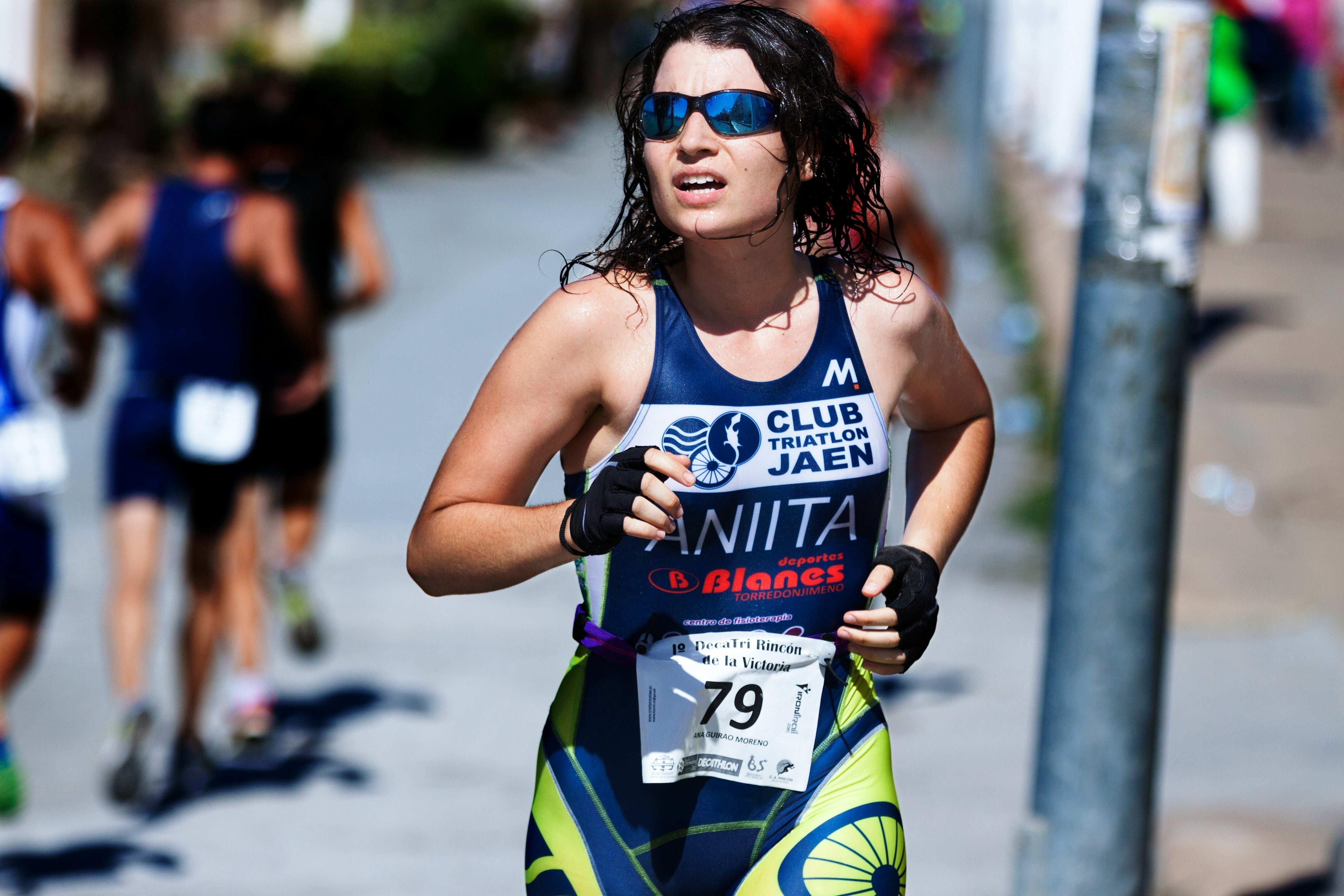
Endurance hydration is a strategy, not a bottle
Endurance athletes cannot treat hydration as background admin.
The longer the session, the more fluid loss matters. The hotter the environment, the more sweat matters. The harder the intensity, the more the body has to manage heat, circulation, fuel and electrolytes while you keep asking it to continue.
Very rude, really.
Endurance hydration is not simply about drinking more water. It is about matching fluid, sodium, carbohydrate and timing to the session.
That means thinking about:
-
Sweat rate
-
Sodium loss
-
Session duration
-
Heat and humidity
-
Carbohydrate needs
-
Gut tolerance
-
Training intensity
-
Time until the next session
This article is focused on endurance strategy. For the basics of what electrolytes are, start with Electrolytes Explained. For a deeper look at sweat composition, read What Electrolytes Do You Lose in Sweat?
Here, we are looking at how those ideas apply to longer training.
Why endurance training changes hydration needs
Endurance training creates a different hydration problem from short sessions because loss builds over time.
You are sweating for longer.
You are producing heat for longer.
You may need fuel as well as fluid.
You also need the gut to tolerate what you are drinking while the body is busy moving blood towards working muscles and skin.
That is why hydration during endurance sport can become more delicate than it looks.
Too little fluid can increase strain and make performance drop.
Too much plain water can be a problem, especially during very long events.
Too little sodium may make rehydration less effective when sweat loss is high.
Too much carbohydrate in the wrong format may upset the gut.
Endurance hydration is a balancing act.
Less circus. More planning.
Sweat rate: the first number worth knowing
Sweat rate is how much fluid you lose over time, usually discussed in litres per hour.
It varies widely between athletes.
One runner may lose a modest amount over an hour. Another may finish looking like they have been pressure-washed in public.
Sweat rate can be affected by:
-
Body size
-
Fitness level
-
Training intensity
-
Heat
-
Humidity
-
Clothing
-
Acclimation
-
Genetics
-
Session duration
-
Hydration status
Knowing your sweat rate helps you avoid guessing.
You do not need a lab for a rough estimate.
Simple sweat rate check
- Weigh yourself before training.
- Track how much fluid you drink during the session.
- Weigh yourself after training.
- Note the change in body weight.
- Adjust for fluid consumed.
This is not perfect, but it gives useful information.
If you regularly finish long sessions significantly lighter, you are losing meaningful fluid.
That does not mean you need to replace every drop during exercise. It means your hydration strategy should stop pretending nothing happened.
Sodium loss: the second number that matters
Sweat is mostly water, but sodium loss is often the key electrolyte issue for endurance athletes.
Sodium supports fluid balance, blood volume, nerve signalling, muscle function and fluid retention. During longer sessions, sodium loss can accumulate, especially in hot conditions or for heavy sweaters.
Some athletes lose far more sodium than others.
This is why two people can follow the same hydration plan and get very different results.
Signs you may be a saltier sweater include:
-
White marks on clothing
-
Gritty salt residue on skin
-
Stinging sweat in the eyes
-
Strong salt cravings after training
-
Feeling unusually depleted after sweaty sessions
-
Struggling to rehydrate with water alone
These signs are not perfect measurements, but they are useful clues.
For the full sodium deep dive, read Why Sodium Helps Hydration. The important point here is simple:
Endurance athletes need to think about sodium because sweat loss has time to build.
Why water alone may not be enough
Water is essential.
It is also not always enough.
For shorter sessions, cool conditions or lower sweat rates, water may be perfectly fine.
For longer endurance work, water alone may leave gaps because it does not replace sodium lost through sweat. In some scenarios, large amounts of plain water can also dilute sodium levels, which is why “drink as much as possible” is poor advice.
Better endurance hydration means matching fluid and electrolytes to the session.
That may include:
-
Water
-
Sodium
-
Other electrolytes
-
Carbohydrate
-
Food
-
Planned intake timing
This is not about making hydration complicated.
It is about not reducing a complex endurance session to “carry a bottle and hope”.
Hope has a poor electrolyte profile.
Fluid loss and performance
Fluid loss can affect endurance performance because hydration supports several systems involved in sustained output.
These include:
-
Blood volume
-
Cardiovascular function
-
Temperature regulation
-
Muscle function
-
Nerve signalling
-
Perceived effort
-
Focus
-
Gut comfort
-
Recovery after training
When fluid loss becomes excessive, the session can feel harder.
Heart rate may rise.
Pace may drop.
Heat stress may increase.
Decision-making may become less impressive.
The goal is usually not to replace 100% of sweat loss during exercise. That can be impractical and may increase the risk of overdrinking.
The goal is to reduce performance-relevant losses and support the session.
Enough structure to help.
Not so much structure that your run becomes a spreadsheet with shoes.
Carbohydrate and hydration
Endurance hydration often overlaps with fuelling.
For longer sessions, carbohydrate matters because it provides energy for working muscles.
Carbohydrate can also support fluid absorption when paired with sodium, because glucose and sodium can be absorbed together in the small intestine through specific transport systems.
This is one reason many endurance drinks combine carbohydrate and electrolytes.
Carbohydrate-electrolyte drinks can make sense when:
-
Sessions are long
-
Intensity is moderate to high
-
Glycogen demand is significant
-
The athlete needs fuel during exercise
-
Race performance is the goal
-
Solid food is impractical
But not every hydration product needs carbohydrate.
For shorter endurance work, conditioning, hybrid sessions or gym-based performance, a lower or no-carbohydrate electrolyte formula may be more appropriate.
The question is not:
“Are carbs good or bad?”
The question is:
“Does this session need fuel, hydration, or both?”
Sodium-glucose co-transport explained simply
In the small intestine, sodium and glucose can be transported together.
This can help support absorption of both.
That is one reason oral rehydration solutions and endurance drinks often use sodium plus glucose.
But this does not mean every sports drink should be a medical rehydration solution or a high-carbohydrate race fuel.
The principle is useful.
The application depends on the job.
A long endurance race may call for sodium plus carbohydrate.
A gym-based conditioning session may call for electrolytes and fluid without much carbohydrate.
A daily hydration drink may need something lighter entirely.
Same biology.
Different use cases.
This distinction matters if you want to judge products fairly rather than forcing every drink into the same category.
Hydration by session length
A practical way to think about endurance hydration is by session length.
Under 60 minutes
Water may be enough for many athletes, especially in cool conditions.
Electrolytes may still be useful for heavy sweaters or hot weather.
60 to 90 minutes
Electrolytes become more relevant, especially sodium.
Carbohydrate may be useful depending on intensity and goals.
90 minutes to 2 hours
Fluid, sodium and carbohydrate should be considered more deliberately.
This is where many athletes benefit from a planned intake strategy.
Over 2 hours
Hydration and fuelling become central.
Fluid, sodium, carbohydrate and gut tolerance all need attention.
The longer the session, the less useful vague advice becomes.
“Drink some water” is not a plan. It is a sentence.
Hydration in heat and humidity
Heat increases sweat demand.
Humidity makes cooling harder because sweat evaporates less effectively.
That can increase fluid loss and thermal strain.
In hot or humid conditions, endurance athletes should pay closer attention to:
-
Fluid intake
-
Sodium intake
-
Pacing
-
Cooling strategies
-
Clothing
-
Heat acclimation
-
Post-session rehydration
Electrolytes often become more relevant because sweat losses are usually higher.
That does not mean randomly doubling everything.
It means adjusting the plan to the environment.
Hydration in cool weather and hydration in a heatwave should not be identical.
Although in Britain, the heatwave may last exactly three hours and still cause national confusion.
Gut tolerance: the forgotten limiter
Endurance hydration only works if the gut tolerates it.
A drink can look brilliant on paper and still fail if it causes bloating, nausea or urgent regret.
Gut comfort is affected by:
-
Drink concentration
-
Carbohydrate type
-
Carbohydrate amount
-
Sodium level
-
Fluid volume
-
Exercise intensity
-
Heat
-
Timing
-
Individual tolerance
This is why athletes should practise hydration and fuelling during training.
Do not invent a new strategy on race day.
The gut is not known for its sense of adventure under pressure.
For a deeper explanation of drink concentration, read Osmolality, Osmosis and Hydration and Isotonic, Hypotonic and Hypertonic Drinks.
Post-session rehydration
After endurance training, the goal is to restore what was lost.
That usually means:
-
Fluid
-
Sodium
-
Other electrolytes
-
Carbohydrate
-
Protein
-
Overall energy
Sodium helps with fluid retention.
Carbohydrate helps restore glycogen.
Protein supports repair.
Food should do a lot of the recovery work.
Electrolyte drinks can support the process, especially after heavy sweating or when appetite is low.
If you finish a long session, drink only plain water, skip food and call it recovery, the body may respond with the enthusiasm of a tired accountant.
Where RE-UP fits for endurance athletes
RE-UP is a hydration-focused intra-workout.
It is not a high-carbohydrate endurance fuel.
That distinction is important.
RE-UP may suit endurance athletes during:
-
Shorter endurance sessions where carbohydrate is not needed
-
Conditioning sessions
-
Hybrid training
-
Hot-weather training
-
Sweat-heavy gym work
-
Stimulant-free hydration support
-
Sessions where fuel is coming from food or another source
For longer endurance events where carbohydrate intake is required, athletes may need a separate fuelling strategy alongside hydration.
That is not a weakness.
That is honest categorisation.
RE-UP supports hydration and training consistency. It is not pretending to be an entire marathon plan in Pink Lemonade form.
Common endurance hydration mistakes
Drinking only when it is too late
Thirst matters, but waiting too long during long sessions can make it harder to catch up.
Drinking as much as possible
Overdrinking, especially plain water, can be risky.
Ignoring sodium
Sodium loss can become meaningful during longer or sweat-heavy endurance work.
Copying someone else’s plan
Sweat rate and sodium loss vary widely. Your training partner’s strategy may not suit you.
Trying something new on race day
Bold. Also foolish.
Forgetting carbohydrate
For longer sessions, hydration and fuel often need to be planned together.
Assuming all electrolyte products are the same
They are not. Some are daily wellness products. Some are endurance fuels. Some are intra-workouts. Some are label confetti.
Read the formula.
The One Life Foods view
Endurance hydration should be practical, measured and matched to demand.
Water matters.
Sodium matters.
Carbohydrate may matter.
Session length matters.
Heat matters.
The product category matters.
The formula matters.
A good hydration strategy does not need to be overcomplicated, but it does need to be honest about what the session demands.
Short session in cool weather? Water may be fine.
Long, hot, sweat-heavy session? Think beyond plain water.
Need fuel? Include carbohydrate.
Need hydration without stimulants or heavy carbohydrate? Use the right tool for that job.
Performance is not built from random products.
It is built from matching support to demand.
The bottom line
Endurance athletes need to think about hydration because sweat loss builds over time.
The key factors are sweat rate, sodium loss, session duration, heat, intensity, carbohydrate needs and gut tolerance.
Sodium and chloride are usually the key electrolytes to consider when sweat loss is high.
Carbohydrate can be useful for longer sessions because it supports fuelling and can help fluid absorption when paired with sodium.
Water may be enough for short, low-sweat endurance training.
Longer, hotter or harder sessions need a more structured approach.
Hydration is not about drinking more for the sake of it.
It is about replacing what matters, when it matters.
Continue learning
Explore more from the One Life Foods hydration hub:
-
Hydration for Performance: Electrolytes, Sweat Loss and Intra-Workout Consistency Explained
-
What Electrolytes Do You Lose in Sweat? Sodium, Chloride, Potassium and Magnesium Explained
-
Why Sodium Helps Hydration: Fluid Balance, Nerve Signals and Performance
-
Osmolality, Osmosis and Hydration: How Water Actually Moves Through the Body
- Isotonic, Hypotonic and Hypertonic Drinks: What’s the Difference for Athletes?

Share:
Hydration for Strength Training: Power, Pump, Performance and Recovery