


Learn

Stimulants Don’t Hydrate You: Why Caffeine, Sweat Loss and Electrolytes Need Different Strategies
Caffeine can be a powerful performance tool. It can help with focus, drive, perceived effort and training intensity. But stimulants do not replace hydration, sodium loss, chloride loss or electrolyte balance. This article explains how caffeine works, why people respond differently, where high-stim products can become a problem, and why stimulant-free intra-workout hydration still has a very different job.
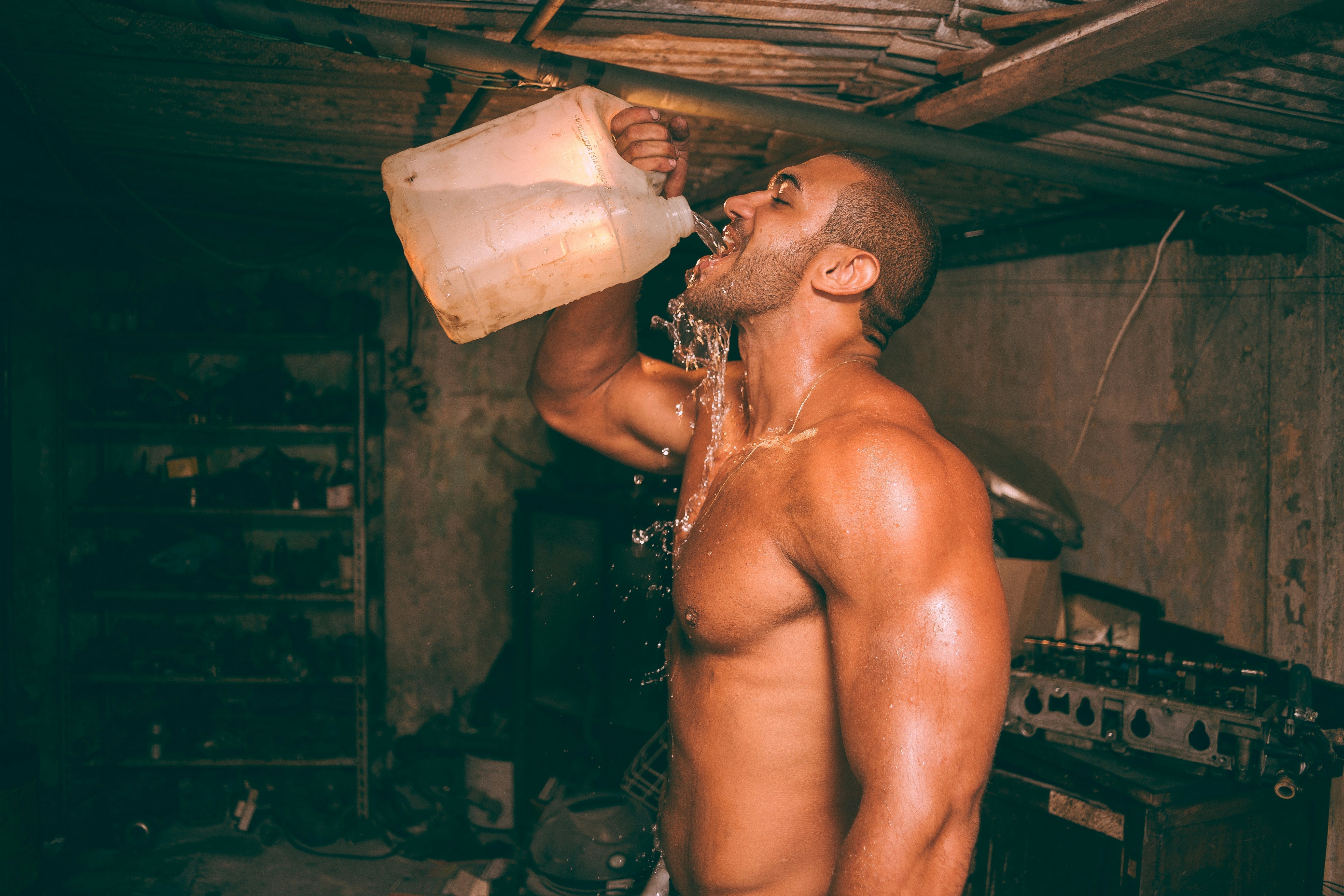
Pre-Workout vs Hydration Intra: The Difference Between Energy and Endurance
Pre-workout helps you start the session. Hydration intra helps you maintain it. Learn how stimulants, sweat loss, sodium, electrolytes, plasma volume, heat and fluid balance affect training differently, and why serious athletes may benefit from using both tools properly.
Read moreabout Pre-Workout vs Hydration Intra: The Difference Between Energy and Endurance
Electrolyte Forms Explained: Mineral Salts, Bioavailability and Why Compound Weight Can Mislead
Electrolyte forms matter because the compound on the label is not always the mineral amount your body receives. This guide explains sodium citrate, sea salt, potassium gluconate, potassium chloride, magnesium malate, calcium citrate and why elemental values are the numbers that count.
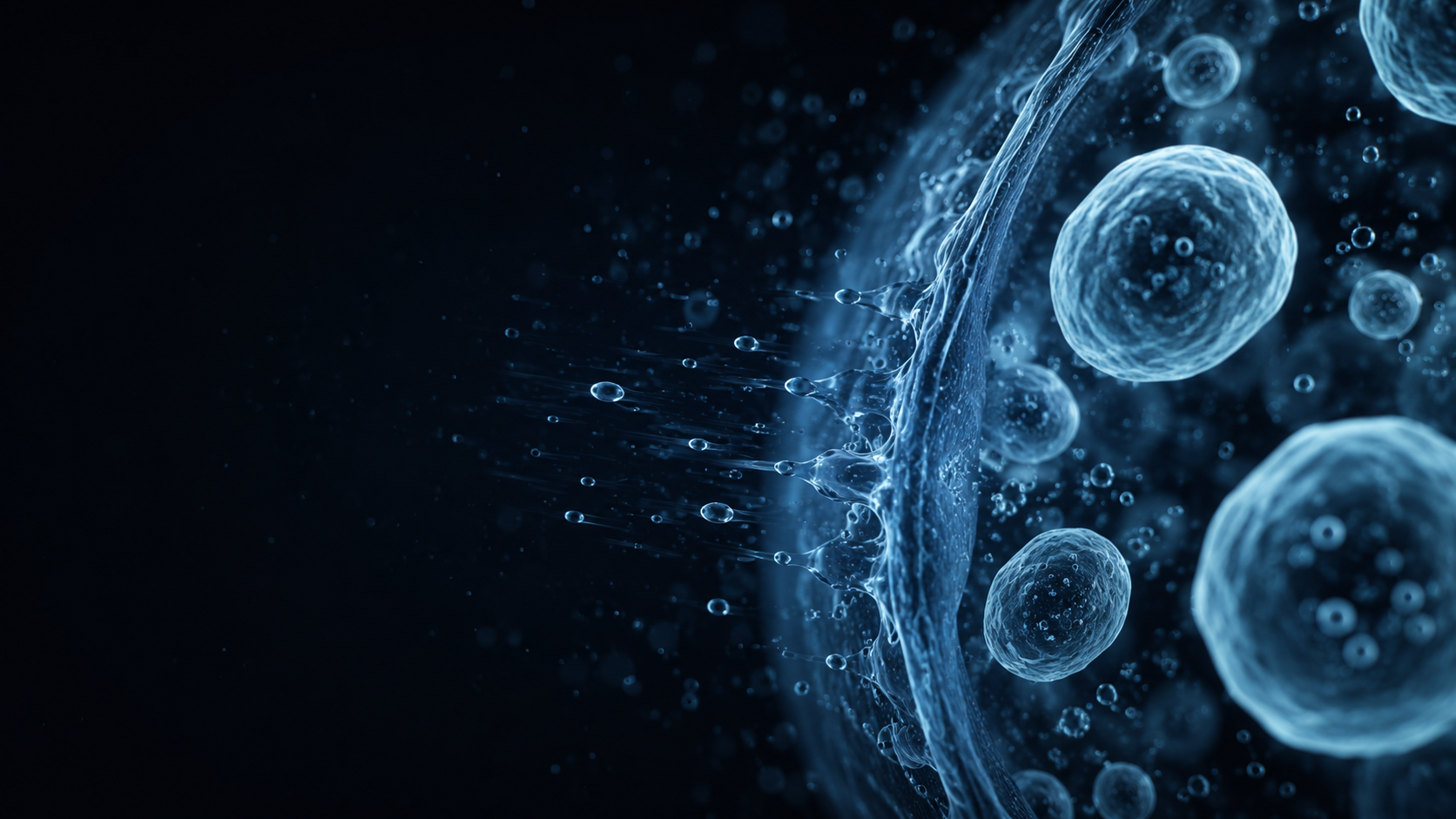
Osmolality, Osmosis and Hydration: How Water Actually Moves Through the Body
Hydration is not just fluid intake. This guide explains osmosis, osmolality and how water moves through the body, including why electrolytes, sodium and drink concentration matter during training.
Read moreabout Osmolality, Osmosis and Hydration: How Water Actually Moves Through the Body

Hydration for Endurance Athletes: Sweat Rate, Sodium Loss and Carbohydrate Transport
Endurance hydration is not just drinking more water. This guide explains sweat rate, sodium loss, carbohydrate transport and how athletes can match hydration strategy to session duration, heat and training demand.
Read moreabout Hydration for Endurance Athletes: Sweat Rate, Sodium Loss and Carbohydrate Transport

Hydration for Strength Training: Power, Pump, Performance and Recovery
Hydration is not just an endurance concern. This guide explains how fluid balance and electrolytes support strength training, pump, nerve signalling, muscle function and consistency across harder gym sessions.
Read moreabout Hydration for Strength Training: Power, Pump, Performance and Recovery